
Filtrar contenido
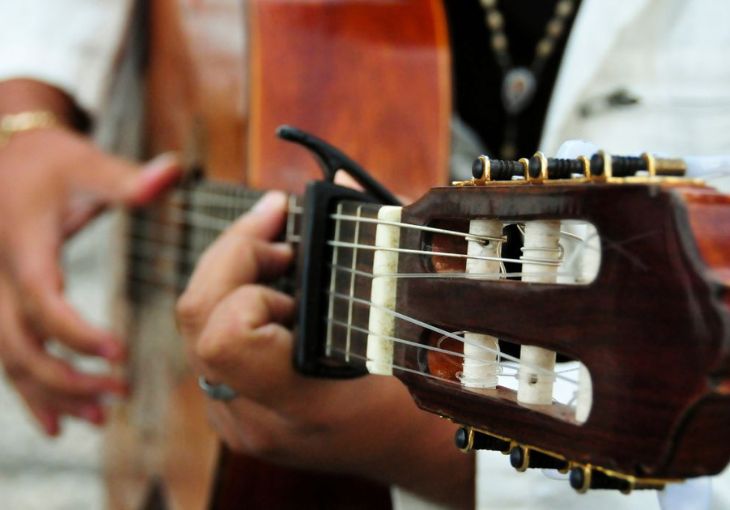
Guitarras flamencas: ¿en qué se diferencian y cuál es mejor?
La guitarra flamenca, un sonido con identidad propia
Qué la diferencia de la guitarra clásica y cómo reconocer una buena guitarra flamenca
Es uno de los pilares del arte jondo, pero no todo el mundo conoce sus características ni cómo se diferencia de una guitarra clásica. En este artículo te explicamos qué define a una guitarra flamenca, qué tipos existen y cómo saber cuál es la más adecuada para cada estilo.
¿Qué es una guitarra flamenca?
La guitarra flamenca es un instrumento tradicional adaptado al ritmo y la fuerza del cante y el baile flamenco. Aunque a simple vista se parece a una guitarra clásica, su construcción y sonido están diseñados específicamente para acompañar el compás, la percusión y la expresión emocional del flamenco.
Suena más seco, brillante y percusivo que una guitarra clásica, y permite técnicas propias como el rasgueo, el alzapúa o el golpe. Además, tiene una respuesta rápida al toque, esencial para seguir el ritmo del baile y las palmas.
Principales diferencias entre guitarra flamenca y clásica
- Materiales: Las guitarras flamencas suelen estar hechas con maderas ligeras como ciprés, abeto o sicomoro, lo que les da un tono más agudo y directo. Las clásicas, por su parte, usan maderas como el palosanto o la caoba, que generan un sonido más profundo y sostenido.
- Tamaño y estructura: La guitarra flamenca es más ligera y con una caja algo más estrecha. También tiene una acción de cuerdas más baja (más cerca del mástil), lo que facilita la rapidez, aunque puede producir ligeros trasteos que forman parte del carácter del instrumento.
- Respuesta sonora: La flamenca proyecta el sonido de forma más inmediata, ideal para acompañar baile y cante. La clásica está pensada para mayor duración y riqueza tonal.
¿Cuál es la mejor guitarra flamenca?
Depende de cada guitarrista, pero estos factores ayudan a decidir:
- Tipo de flamenco: para estilos tradicionales se suele elegir ciprés; para toques más modernos, maderas más densas como palosanto también son populares.
- Técnica: una acción baja facilita la velocidad, aunque puede ser más difícil para quienes están empezando.
- Fabricación: las guitarras artesanales (como las de Conde, Ramírez o Alhambra) destacan por su calidad sonora, pero hay también modelos industriales con buena relación calidad-precio para estudiantes.
Si estás aprendiendo o acompañas al cante y al baile, una guitarra flamenca sencilla y bien ajustada suele ser mejor elección que una guitarra clásica de gama media.
¿Quieres vivir el sonido de la guitarra flamenca en su máxima expresión?
Nada se compara con escuchar una guitarra flamenca tocada en directo por artistas profesionales.
En Teatro Flamenco Sevilla puedes sentir su fuerza, su compás y su personalidad como parte esencial del espectáculo.
Compra tu entrada y déjate llevar por el alma sonora del flamenco.
Lo más leído
El lenguaje del flamenco: cómo se entienden los artistas durante un espectáculo en directo
En Teatro Flamenco Sevilla, el compás, la escucha y la complicidad entre los artistas permiten que el cante, el baile y la guitarra construyan una experiencia única en cada espectáculo flamenco en directo