Filtrar contenido
Cajón peruano en el flamenco: historia y primera grabación
Cómo el cajón peruano se coló en el flamenco: historia y primera grabación
Del folclore afroperuano a los grandes escenarios del flamenco
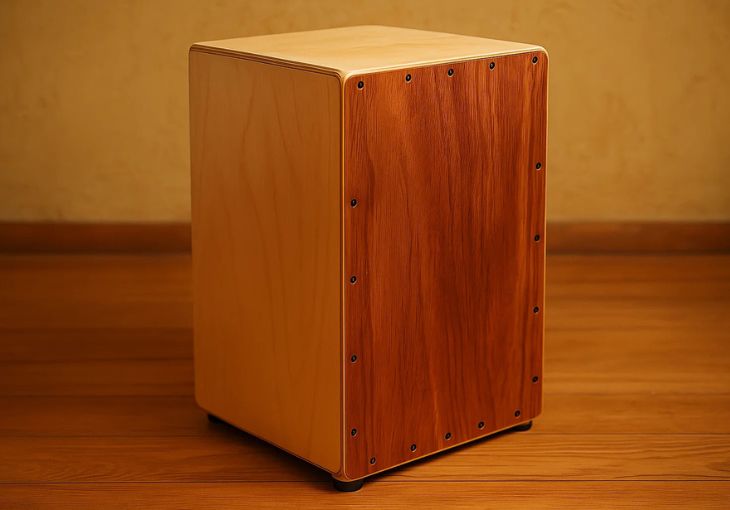
El cajón es hoy uno de los instrumentos más reconocibles en algunos formatos del flamenco moderno. Su sonido seco, directo y lleno de matices rítmicos ha llegado a integrarse con naturalidad en muchas formaciones flamencas actuales. Pero lo cierto es que el cajón no nació en el flamenco, ni siquiera en España. Su historia arranca en Perú y su llegada al arte jondo fue una combinación de curiosidad, intuición y pura casualidad.
Raíces afroperuanas
El cajón tiene su origen en la cultura afroperuana, en la época colonial. Nació como una forma de expresión musical en comunidades afrodescendientes, que utilizaban cajas de madera como instrumentos de percusión. Su uso se consolidó en géneros tradicionales como el festejo o la zamacueca. Durante siglos, fue un instrumento folclórico popular en el litoral peruano, sin relación alguna con el flamenco.
El encuentro con Paco de Lucía
Todo cambió a finales de los años 70. Durante una gira por Latinoamérica, Paco de Lucía quedó fascinado al ver el cajón tocado por el músico peruano Caitro Soto. Quedó impresionado por cómo ese instrumento podía ofrecer un compás sólido y natural. Paco intuyó que ese sonido encajaría perfectamente con el flamenco y decidió llevar un cajón a España.
Fue su percusionista, Rubem Dantas, quien lo incorporó por primera vez en una formación flamenca. La primera grabación donde se escucha claramente es “Live… One Summer Night” (1984), un disco que marcó un antes y un después en la evolución del flamenco moderno.
De la novedad a lo habitual (aunque no en todas partes)
Desde entonces, el cajón ha sido adoptado por muchos artistas flamencos, sobre todo en espectáculos más contemporáneos o en fusiones con otros estilos. Su capacidad para acompañar palos rítmicos como la bulería, el tango o la rumba lo ha convertido en un aliado rítmico muy valioso.
Sin embargo, no es un instrumento tradicional del flamenco y no forma parte del formato clásico de muchos tablaos. En el caso de 3Teatro Flamenco Sevilla, por ejemplo, el enfoque está en una experiencia más purista, donde predominan la guitarra, el cante, las palmas y el baile. El cajón puede aparecer en ocasiones puntuales, pero no es habitual verlo en cada función.
Una historia curiosa que conecta culturas
Aunque su presencia no sea constante en todos los escenarios flamencos, la historia del cajón en el flamenco es un gran ejemplo de cómo este arte está en constante evolución, siempre abierto a nuevas influencias. Lo que empezó como un golpe de intuición en una gira por Perú acabó marcando una nueva etapa en la historia rítmica del flamenco.
Y si te interesa este tipo de curiosidades, la mejor forma de seguir explorando el flamenco en vivo es en lugares como Teatro Flamenco Sevilla, donde cada función mantiene el alma de este arte y te conecta con su tradición más auténtica.
¡No esperes más y compra tus entradas!
Lo más leído
El lenguaje del flamenco: cómo se entienden los artistas durante un espectáculo en directo
En Teatro Flamenco Sevilla, el compás, la escucha y la complicidad entre los artistas permiten que el cante, el baile y la guitarra construyan una experiencia única en cada espectáculo flamenco en directo