Filtrar contenido
El mantón de Manila: historia y elegancia en Sevilla
Un símbolo de tradición y arte
El mantón de Manila es una de las prendas más representativas del flamenco y de la cultura andaluza. Su belleza, sus bordados y su historia lo han convertido en una pieza fundamental del vestuario flamenco, pero también en un elemento cargado de simbolismo y tradición. En Sevilla, ciudad donde el flamenco se respira en cada rincón, el mantón no solo es un complemento de baile, sino un reflejo de la identidad y el arte de nuestra tierra.
Aunque su uso está estrechamente ligado al flamenco, su origen nos transporta a un largo viaje que une diferentes culturas. A día de hoy, sigue siendo un emblema de elegancia y expresión, utilizado tanto en los escenarios como en las festividades más importantes de Andalucía.
El origen del mantón de Manila
A pesar de su nombre, el mantón de Manila no procede directamente de la capital de Filipinas. Su historia se remonta al siglo XVI, cuando los comerciantes españoles llevaron desde China hasta América objetos de lujo a través de la ruta del Galeón de Manila. Entre estos productos se encontraban los mantones de seda, ricamente bordados con motivos florales y exóticos.
Desde América, los mantones llegaron a España a través del puerto de Cádiz, donde fueron adoptados rápidamente por la sociedad andaluza. Con el tiempo, los diseños fueron evolucionando, y los bordados comenzaron a incorporar elementos más propios de la cultura española, como flores, aves y motivos geométricos. Fue en Andalucía donde el mantón encontró su lugar definitivo, convirtiéndose en una prenda clave dentro del vestuario femenino y del flamenco.
El mantón en el flamenco
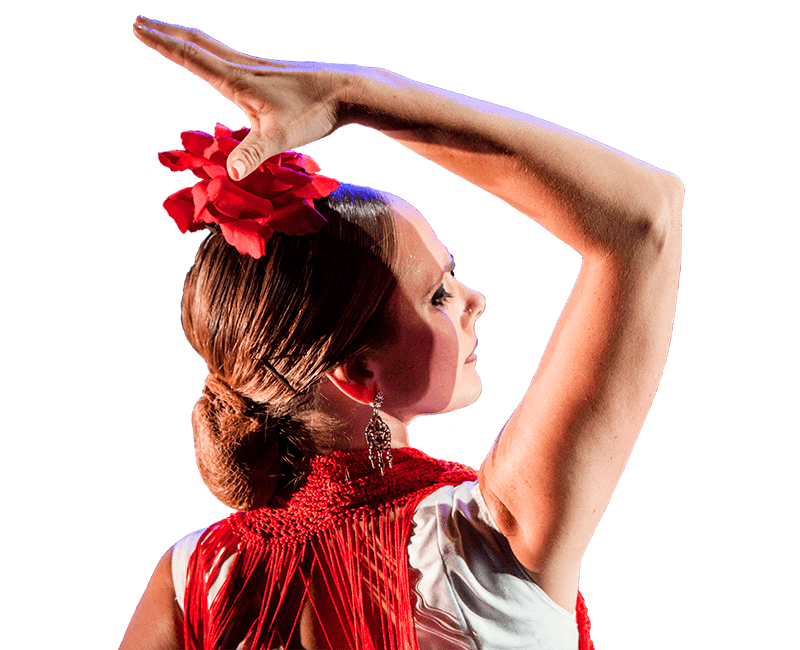
En el mundo del flamenco, el mantón de Manila es mucho más que un simple accesorio. Es un complemento que aporta movimiento, elegancia y expresividad a la danza. En el baile, el mantón se convierte en una extensión del cuerpo de la bailaora, potenciando la fuerza de cada gesto y dotando a la coreografía de una mayor teatralidad.
Los bailaores utilizan el mantón con maestría, desplegándolo con giros, recogidas y golpes que marcan el ritmo y realzan la interpretación. Dependiendo del palo flamenco que se baile, el uso del mantón puede ser más sutil o más enérgico, siempre adaptándose a la intensidad y el carácter de la música.
Además de su función escénica, el mantón es también un símbolo de feminidad y elegancia. Su presencia en el vestuario flamenco ha trascendido los tablaos, convirtiéndose en una prenda habitual en eventos como la Feria de Abril o las celebraciones más importantes en Sevilla.
El mantón como pieza de arte
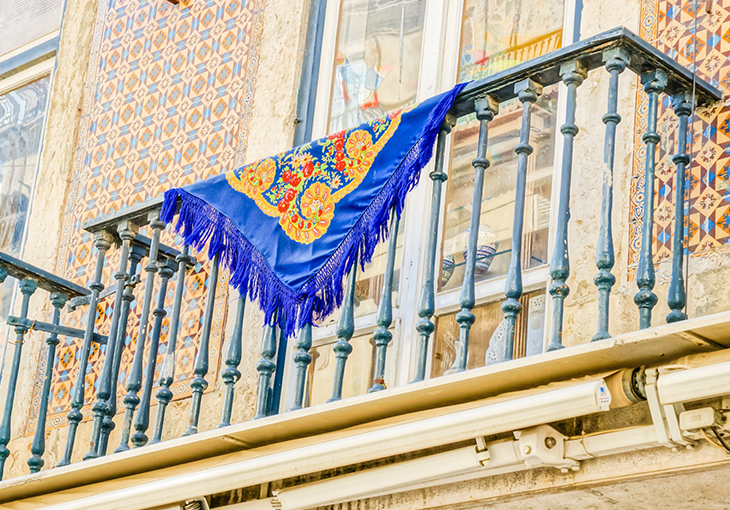
Cada mantón de Manila es una obra de arte en sí misma. La elaboración de un mantón bordado a mano puede llevar meses de trabajo, ya que requiere una gran precisión y paciencia. Los diseños más tradicionales incluyen motivos florales, pájaros y ramas entrelazadas, reflejando la riqueza cultural de su historia.
Los mantones pueden variar en tamaño y color, aunque los tonos más característicos son el negro, el rojo y el marfil. También hay mantones con flecos largos, que aumentan su movimiento y aportan mayor dinamismo al baile.
En Sevilla, los mantones no solo se utilizan en el flamenco, sino que también han sido parte de la moda y la alta costura. Su presencia en desfiles y en la moda contemporánea demuestra que sigue siendo una prenda con un fuerte impacto estético.
Sevilla y su amor por el mantón de Manila
Pasear por Sevilla en época de feria o durante eventos especiales es un espectáculo visual donde los mantones de Manila cobran protagonismo. En la Feria de Abril, es común verlos sobre los hombros de las mujeres, acompañando los trajes de flamenca y aportando un toque de distinción.
Sevilla ha sabido preservar la esencia de esta prenda y convertirla en un símbolo de su cultura. Tanto en los escenarios flamencos como en la vida cotidiana, el mantón sigue siendo un elemento clave de la tradición andaluza, transmitiendo historia, elegancia y arte en cada detalle.
El flamenco y su estética en Teatro Flamenco Sevilla
En Teatro Flamenco Sevilla, entendemos que el flamenco es más que música y baile: es una expresión artística completa, donde cada detalle importa. El mantón de Manila es una parte fundamental de esta estética, aportando belleza y expresividad a cada actuación.
Nuestros espectáculos buscan transmitir la esencia del flamenco en su forma más auténtica, combinando la fuerza del cante, la pasión del baile y la presencia de elementos tradicionales como el mantón. Ven a vivir la magia del flamenco en Teatro Flamenco Sevilla y descubre cómo este arte sigue evolucionando sin perder sus raíces.