Filtrar contenido
El suelo de madera, clave para el buen sonido del tablao flamenco
La importancia del suelo de madera en el arte flamenco
El flamenco no es solo cante y guitarra, sino también baile, ritmo y fuerza. Uno de los elementos fundamentales que contribuyen a crear esa experiencia única es el suelo de madera en el tablao. Aunque muchas veces pasa desapercibido, el suelo es una pieza clave que influye directamente en la calidad del espectáculo y en la sonoridad del taconeo.
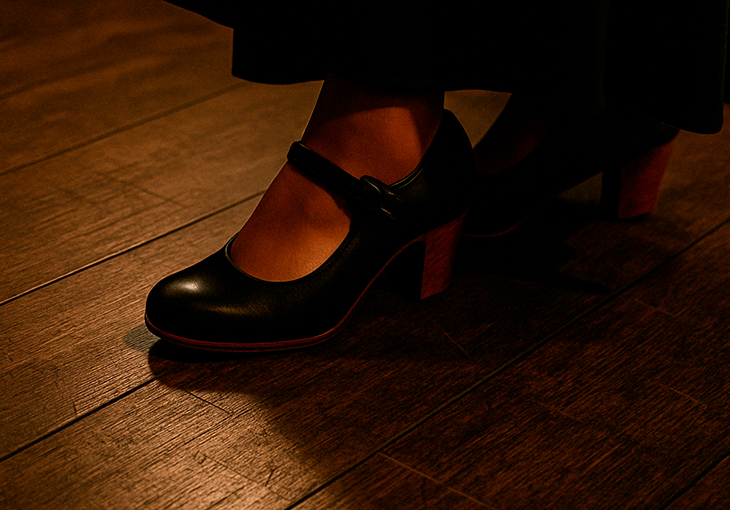
El suelo de madera aporta una resonancia natural que amplifica el sonido de los golpes del tacón y la planta, haciendo que el zapateado se convierta en un instrumento más dentro del espectáculo. Además, debe tener la flexibilidad suficiente para soportar el impacto constante sin dañar las articulaciones de los bailaores.
¿Por qué es fundamental el suelo de madera?
El suelo de madera no es una elección estética, sino una necesidad técnica y artística en el flamenco. El material aporta una resonancia natural que amplifica el sonido de los golpes del tacón y la planta, haciendo que el zapateado se convierta en un instrumento más dentro del espectáculo. Además, el suelo debe tener la flexibilidad suficiente para soportar el impacto constante sin dañar las articulaciones de los bailaores.
La madera permite que cada golpe tenga una proyección clara, ofreciendo matices sonoros que enriquecen la actuación. Los diferentes tipos de madera también influyen en el resultado final. Por ejemplo, el roble y el abeto son comunes en los tablaos debido a su resistencia y capacidad de resonancia.
La evolución del suelo en los tablaos
En los primeros tablaos, el suelo de madera no estaba diseñado específicamente para el baile flamenco, lo que provocaba que la sonoridad fuera irregular y que el desgaste fuera rápido. Con el paso del tiempo y la profesionalización del flamenco, se comenzaron a construir suelos específicos para este arte, con capas que mejoran la acústica y absorben el impacto.
En muchos casos, se añaden pequeños huecos bajo el suelo para crear una cámara de resonancia natural. Esta técnica permite que el sonido del taconeo se amplifique de manera equilibrada, evitando que se pierda o se distorsione. Además, se suele aplicar un tratamiento antideslizante para garantizar la seguridad de los bailaores, sin comprometer la calidad sonora.
El mantenimiento del suelo de madera
Mantener un suelo de madera en óptimas condiciones es fundamental para conservar su capacidad acústica y asegurar la durabilidad. Los cuidados incluyen limpieza regular con productos que no dañen la madera y tratamientos periódicos para mantener su brillo y resistencia. Además, es importante evitar la acumulación de polvo o humedad, ya que pueden afectar tanto al sonido como a la seguridad de los artistas.
La experiencia en vivo: el impacto en el espectáculo
El público quizás no sea siempre consciente de la importancia del suelo, pero la diferencia se siente y se escucha. Un suelo bien diseñado no solo permite que el sonido del taconeo resuene con nitidez, sino que también proporciona una experiencia más envolvente y emocional.
Cuando los bailaores golpean el suelo con fuerza, el sonido retumba en la sala, transmitiendo toda la pasión y la energía que caracteriza al flamenco. Un buen suelo de madera hace que el espectáculo cobre vida y que cada movimiento se convierta en parte de una coreografía sonora.
La importancia del suelo en la autenticidad del flamenco
El flamenco es un arte en el que cada elemento cuenta, y el suelo de madera es uno de esos detalles que marcan la diferencia. La elección de un buen suelo no solo garantiza un sonido potente y claro, sino que también aporta comodidad y seguridad a los bailaores. Por eso, la calidad del suelo es esencial en cualquier tablao que quiera preservar la esencia de este arte.
En Teatro Flamenco Sevilla, somos conscientes de la importancia de cada detalle en el espectáculo. Queremos ofrecer una experiencia auténtica y vibrante, en la que el taconeo resuene con la fuerza y la pasión que caracterizan al flamenco. ¡Te esperamos para compartir contigo esta magia en vivo!