Filter content
Mirabrás: one of flamenco’s most elegant and lesser-known styles
A flamenco style which, although not always as popular as other forms of cante, holds a very special place within the flamenco tradition
Flamenco is an art form filled with sensations. Beyond the best-known palos, such as bulerías, soleás and alegrías, there is a remarkable variety of styles that form part of flamenco heritage and help us appreciate the extraordinary richness of this art form.
One of these is the mirabrás, a palo which, although not always as popular as other forms of cante, holds a very special place within the flamenco tradition.
Its elegance, rhythm and close relationship with the cantiñas make the mirabrás a true gem of the flamenco repertoire. Discovering it also means uncovering an important part of the history of Andalusian flamenco.
What is the mirabrás?
The mirabrás belongs to the family of cantiñas, a group of flamenco styles that developed primarily in the province of Cádiz and share the same lively, dynamic compás.
This family also includes styles such as alegrías, romeras and caracoles. Each has its own distinctive personality, but all share a bright character and considerable rhythmic richness.
The mirabrás stands out in particular for its musicality and for a structure that offers numerous possibilities for both cante and flamenco dance.
Although performed less frequently today than other flamenco styles, it remains highly valued by artists and aficionados familiar with the depth and diversity of the flamenco repertoire.
The origins of a flamenco style steeped in history
As with many flamenco styles, the mirabrás is the result of a long process of popular evolution.
Its development is closely linked to the Cádiz area, where the cantiñas gradually acquired their own distinctive character throughout the 18th and 19th centuries, shaped by the influence of the ports, maritime trade and constant cultural exchange.
The name of the palo itself has given rise to several theories, although the most widely accepted links it to a popular expression found in old coplas, or traditional verses.
Over time, the mirabrás became established as one of the most elegant styles within the cantiñas family.
Flamenco singing that combines rhythm and elegance
If there is one quality that characterises the mirabrás, it is its balance between energy and delicacy.
Its rhythm, or compás, conveys joy and lightness while also providing scope for highly elaborate melodic cante. This demands considerable skill from the flamenco singer, as well as great sensitivity from both the guitarist and dancer.
It is precisely this combination that makes the mirabrás particularly appealing to flamenco artists, giving them ample room to develop their creativity without losing the essence of traditional flamenco.
Mirabrás: a perfect partner for flamenco dance
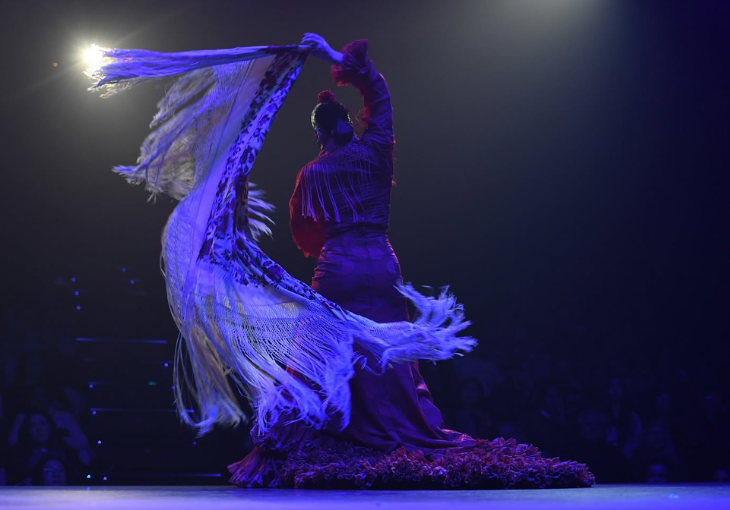
The mirabrás offers a rich source of inspiration for flamenco dance. Its rhythm allows dancers to build delicate choreographies, alternating moments of great intensity with others of greater subtlety and elegance.
When performed on stage, the dialogue between flamenco guitar, singing and dancing takes on particular importance, revealing to the audience the remarkable coordination that characterises flamenco.
For this reason, although it may not be one of the most familiar styles for those discovering flamenco for the first time, the mirabrás continues to hold an important place in the repertoire of many artists.
The importance of preserving flamenco’s lesser-known styles
Flamenco is recognised as Intangible Cultural Heritage of Humanity thanks, among other reasons, to the extraordinary diversity of styles that have survived to the present day.
Audiences often associate flamenco solely with its most popular palos. However, discovering styles such as the mirabrás provides a much deeper understanding of the richness and complexity of this art form.
Each palo offers a different way of understanding cante, dance and guitar, enriching a cultural heritage that continues to evolve without losing touch with its roots.
Keeping these styles alive is also a way of preserving the history of flamenco for future generations.
Seville: an essential destination for discovering flamenco
Although the mirabrás originated in the Cádiz area, Seville has played a fundamental role in preserving, promoting and developing all of flamenco’s major styles.
Today, the Andalusian capital is one of the leading destinations for aficionados and visitors wishing to discover the extraordinary diversity of this art form, with performances that bring together outstanding artists and keep the essence of flamenco alive.
Attending a flamenco show in Seville means discovering much more than its best-known styles. It is also an opportunity to experience the cultural richness of an art form that continues to surprise audiences with its variety and depth.
Experience live flamenco in Seville
The mirabrás is a wonderful example of the diversity that makes flamenco such a unique artistic expression.
Each palo conveys a different emotion, tells a different story and creates its own distinctive dialogue between cante, guitar and dance.
If you want to discover the full richness of this art form, there is no better way than experiencing live flamenco in Seville, than a performance of Pasión at Teatro Flamenco Sevilla, where every show brings together talented flamenco artists dedicated to keeping a centuries-old tradition alive.
Book your flamenco tickets here and experience the emotion of an authentic flamenco show in Seville. Make sure you don't miss out and discover the magic of flamenco’s great palos on our stage, from the best known styles to hidden gems such as the mirabrás.